
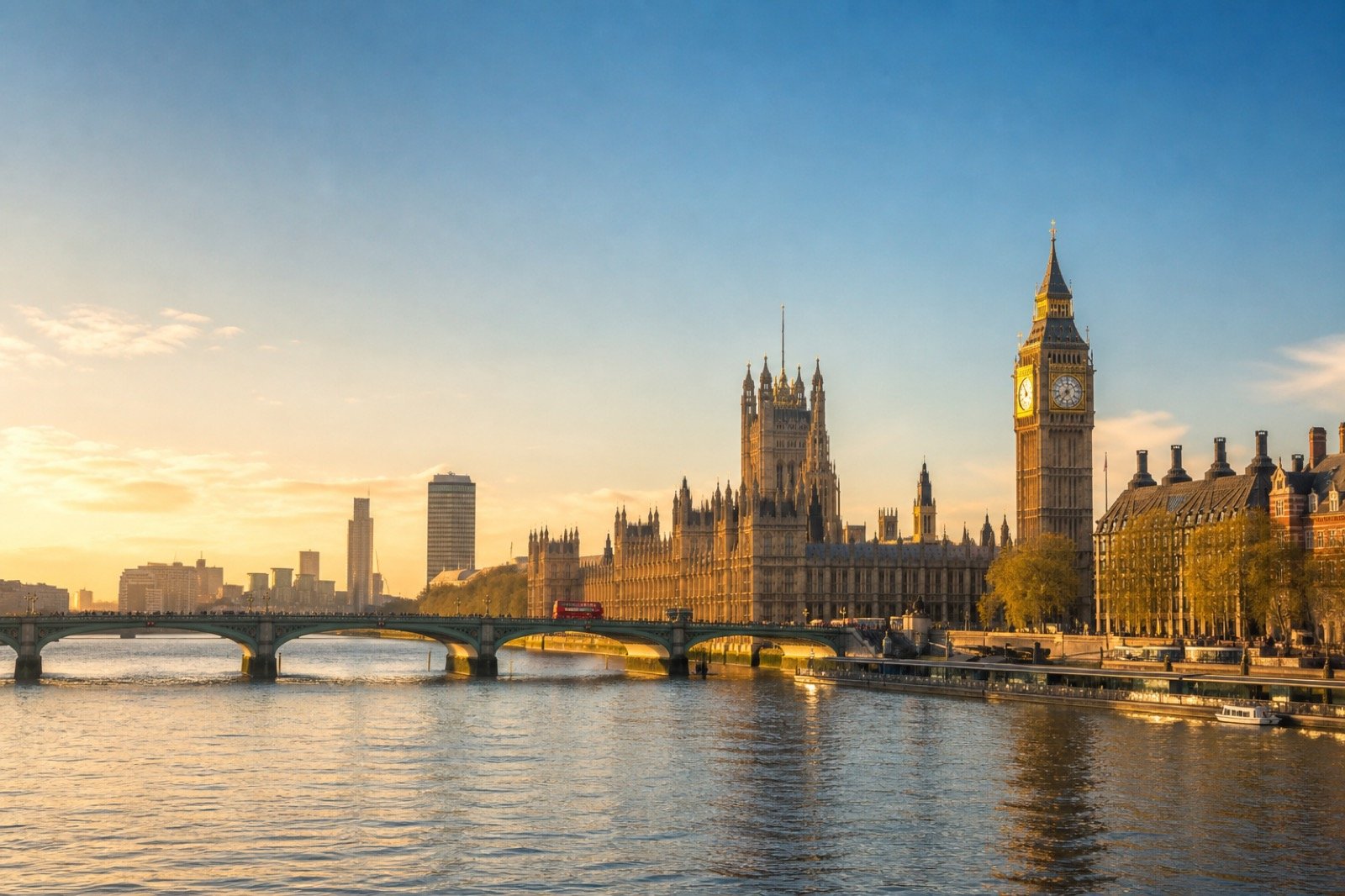
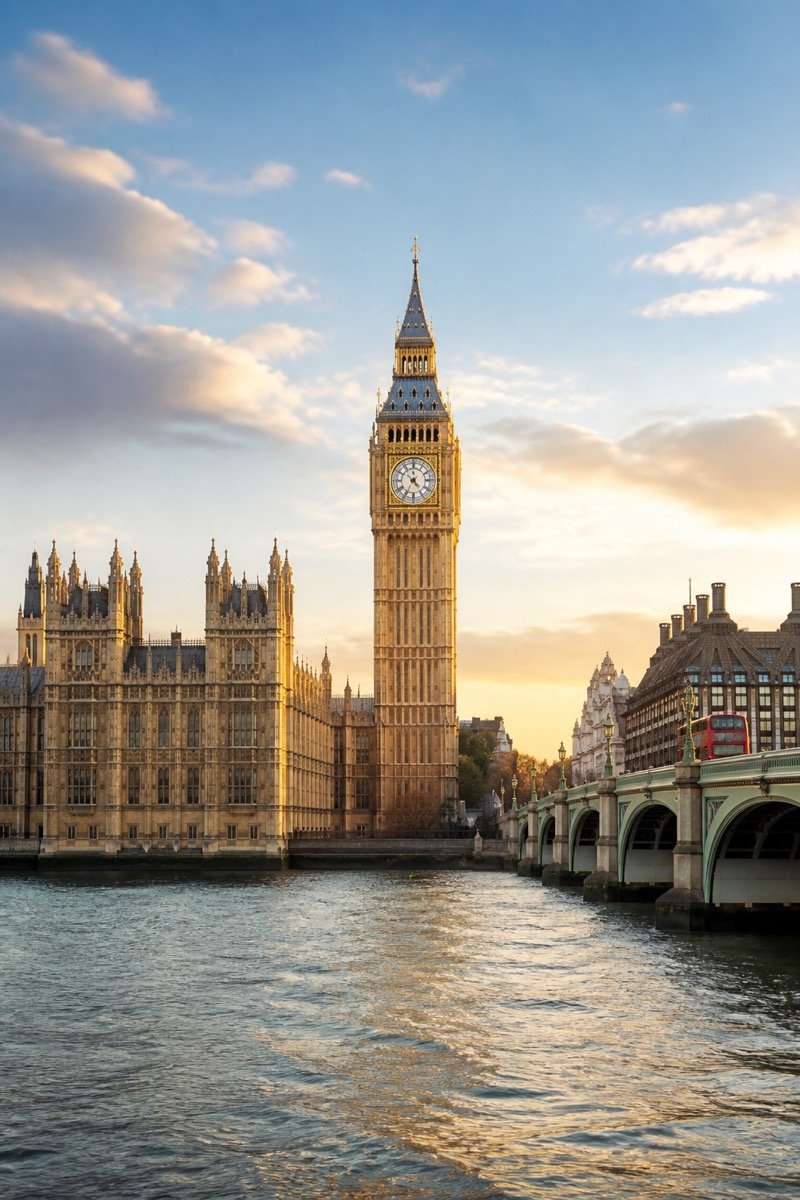
A useful destination snapshot for a first planning pass.
London works best when the airport, neighbourhood and daily geography support one another. A short trip can cover the landmark core; a longer stay creates room for museums, markets, theatre and slower local days.
Use this guide to compare the decisions that shape the trip. When your dates are ready, a Flying Getaway advisor can review current options and explain important fare or booking conditions before you decide.


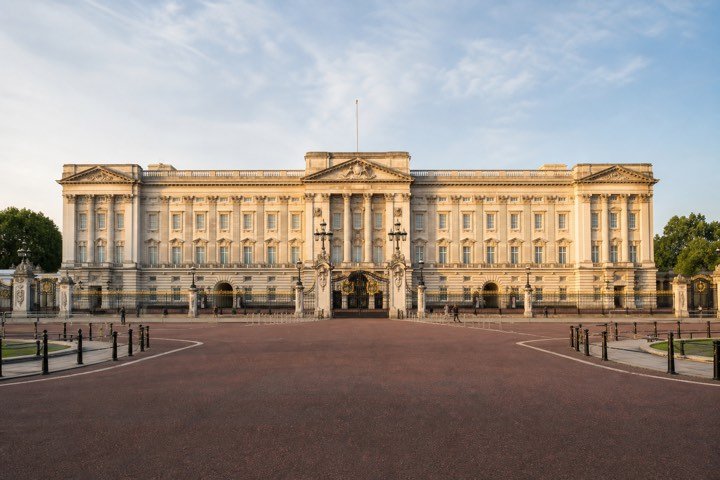

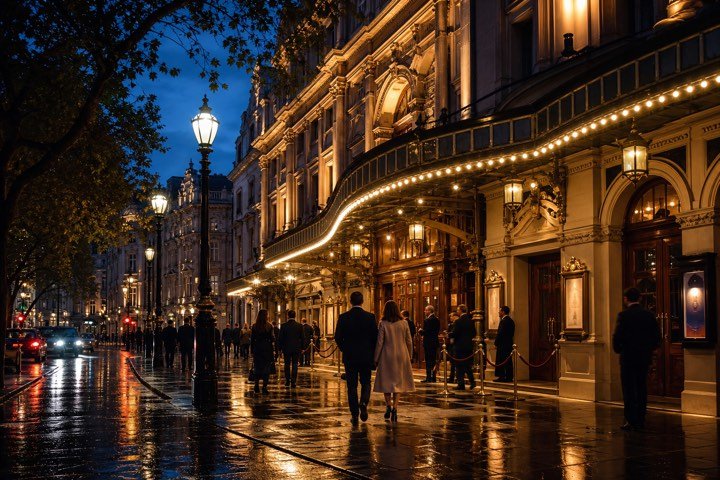

See Westminster, St James’s Park and Buckingham Palace, then choose Trafalgar Square or Covent Garden. Finish with Soho dining or a West End show.
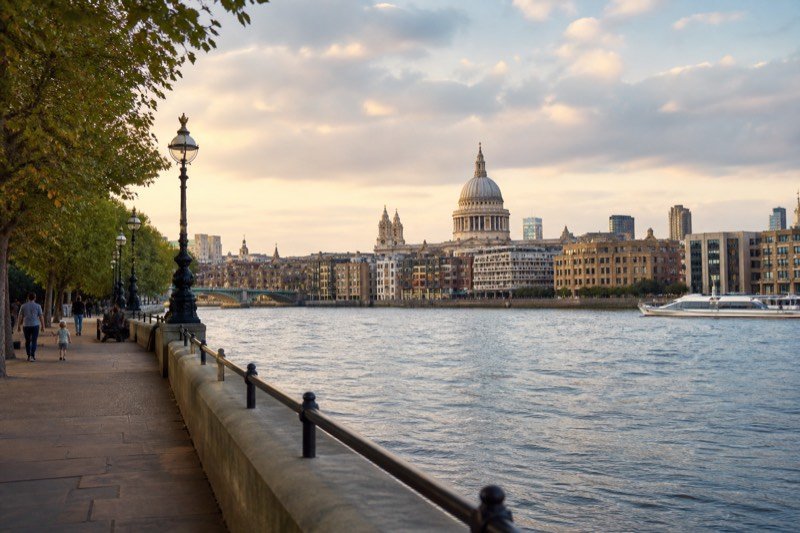
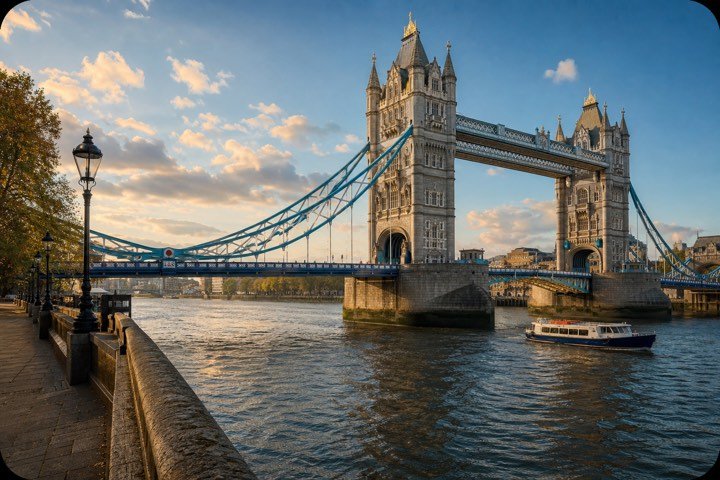
Use a timed Tower of London ticket, see Tower Bridge, then continue to Borough Market and one Bankside experience. Walk the South Bank at dusk.
Choose one major museum, then continue through Kensington Gardens and Hyde Park. Keep the evening flexible for a favourite neighbourhood or missed priority.
Follow the three-day framework at a balanced pace: Westminster and the West End; Tower, Borough Market and South Bank; South Kensington and the parks.
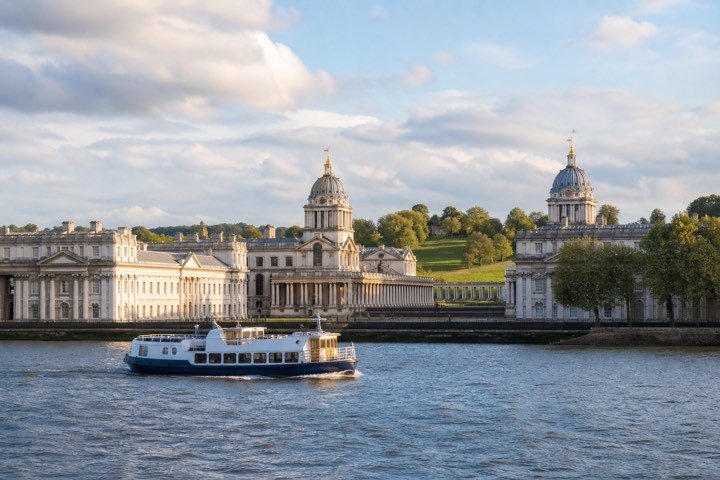
Travel by river or rail for maritime London, Greenwich Market and a park viewpoint. Select only the experiences that fit your interests and mobility.
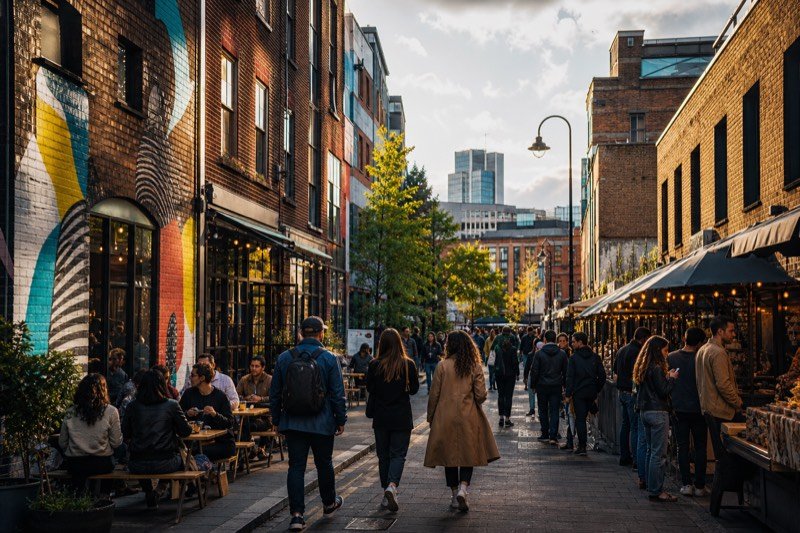
Explore Spitalfields, Brick Lane and Shoreditch, then reserve the afternoon for one final priority such as St Paul’s, Camden, shopping, afternoon tea or a focused walk.
Use the five-day framework without compressing the main attractions. Move museum visits, theatre and outdoor walks according to live weather and opening hours.
Choose one full-day commitment: Kew and Richmond, Windsor, Oxford or a prebooked studio attraction.
Revisit a favourite neighbourhood or take a local walk, then leave room for shopping, a missed museum, a long lunch or a park. This buffer protects the itinerary if an earlier plan changes.
For stays under five nights, another London neighbourhood is often a better use of time.
Airports, transport and trip timing can change what counts as the best option.
London has six airports, so compare the complete arrival journey—not only the airfare.
Match the transfer to your hotel area, luggage and arrival time.
For late arrivals, families or reduced mobility, compare a pre-arranged transfer before booking.
The Tube, Elizabeth line, Overground, DLR, buses, rail, river services and walking work as one network; most central visitors do not need a car.
Use the same contactless card, device or Oyster card throughout each journey. Group nearby sights into the same day and check TfL service notices, especially at weekends.
Heathrow normally offers the widest nonstop choice from major US gateways; Gatwick can be useful for selected or seasonal services. Compare elapsed time, connection protection, baggage, arrival airport and the journey to your hotel—not only the headline fare.
Intercity rail is often the simplest route into central London. Choose the arrival station and hotel together: staying nearby or on a direct Tube line reduces transfers with luggage. Compare domestic flying only after adding airport travel and check-in time.
Flying Getaway and supplier-controlled charges should be explained before payment.
A strong London plan connects the arrival airport or station, hotel neighbourhood, timed attractions, daily geography and fare conditions.
A Flying Getaway advisor can compare current flight and stay options, flag inconvenient combinations and prepare a preferred plan for your review and approval.
• Matching airport, neighbourhood and schedule
• Comparing practical flight and stay combinations
• Explaining fare, baggage and supplier conditions
• Proceeding only after your review and approval
Practical questions based on common planning decisions.
on
Entry rules, schedules and availability may change. Confirm current information before booking.
Tell us the trip – or the problem. A travel expert will help organise the next step.
Occasional destination inspiration, useful guides and clearly described offers. Get $50 OFF your first booking.
FLYING GETAWAY · TRAVEL SUPPORT
Talk to our travel team about flights and planning your visit.
Flying Getaway’s travel team is available 24/7.
We’ll use your number to respond to this request. Privacy policy
Basic services generally carry a USD $25 fee per service request. Any additional service charges are explained before we send your final quotation.
Any applicable airline charges are separate and will be included in the quotation before you confirm and pay.
Prefer to call? +1 (646) 814-6001