
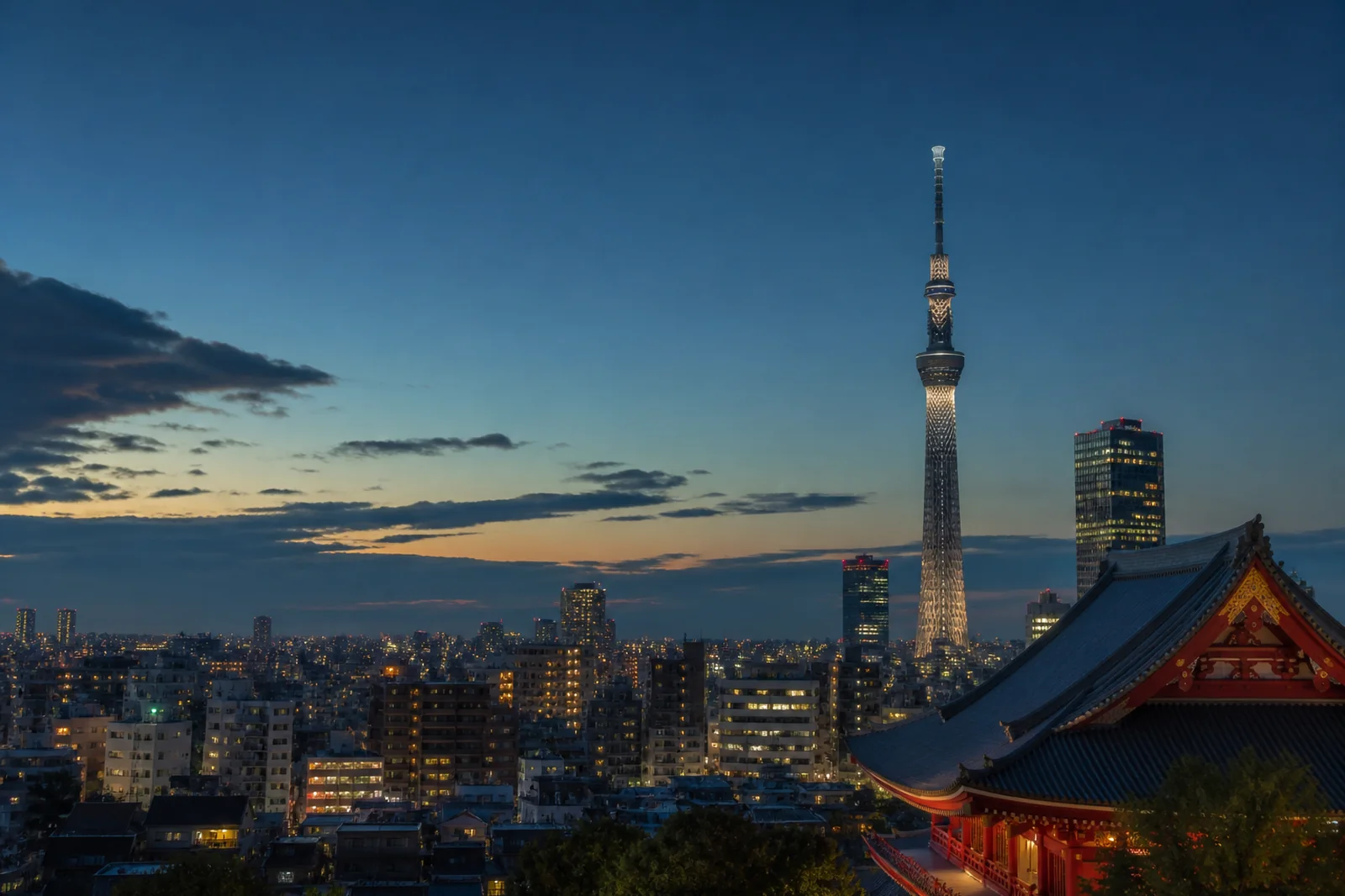
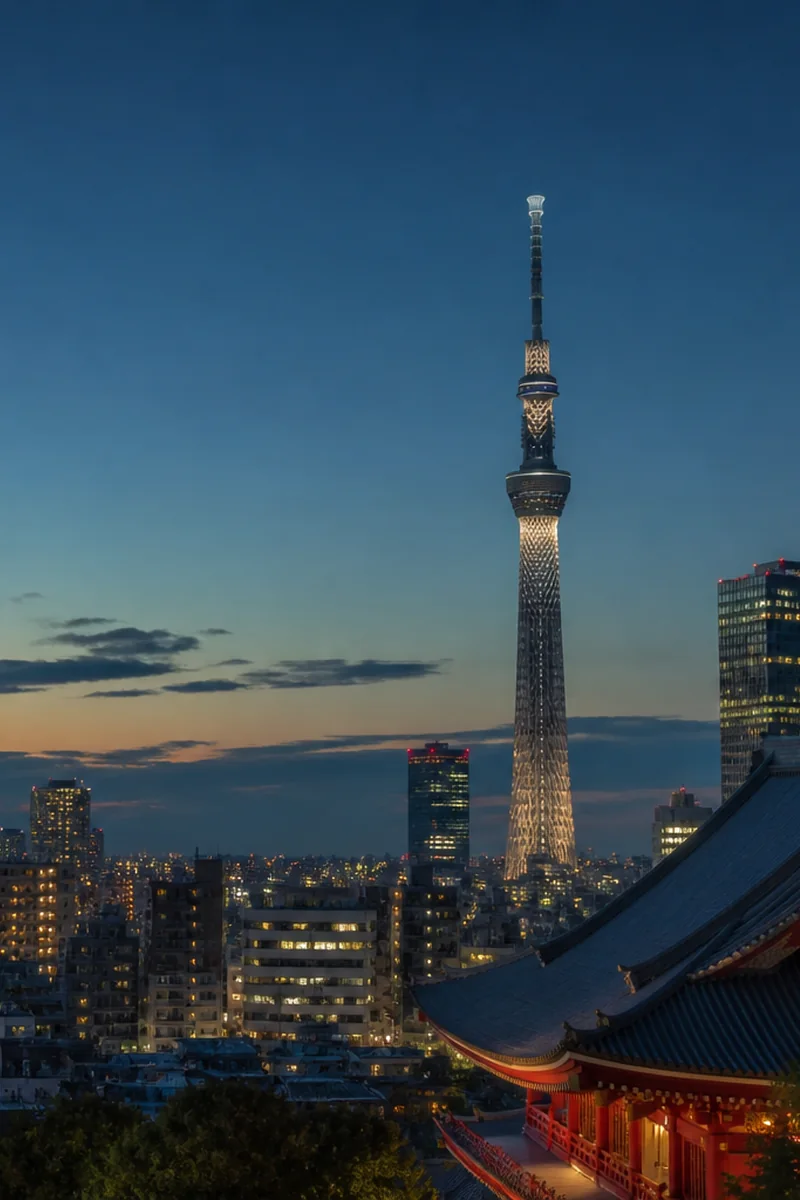
A useful destination snapshot for a first planning pass.
Tokyo rewards careful geography. A well-placed hotel and a few neighbourhood clusters reduce station changes and leave more time for food, culture and unplanned discoveries.
Use this guide to compare the practical decisions that shape the trip. A Flying Getaway advisor can review current flight and stay combinations before you approve anything.

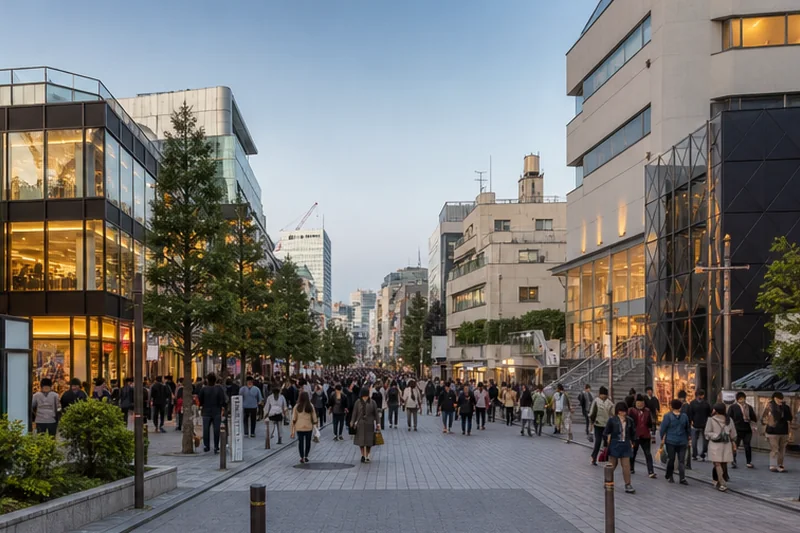
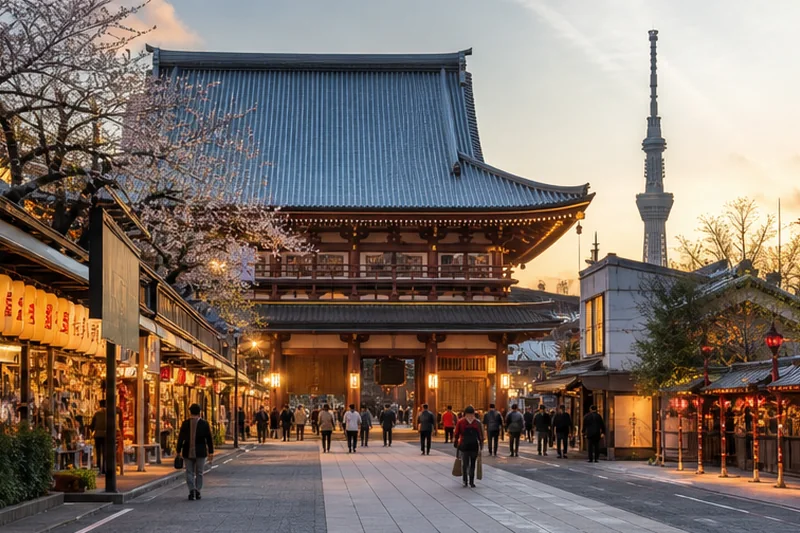
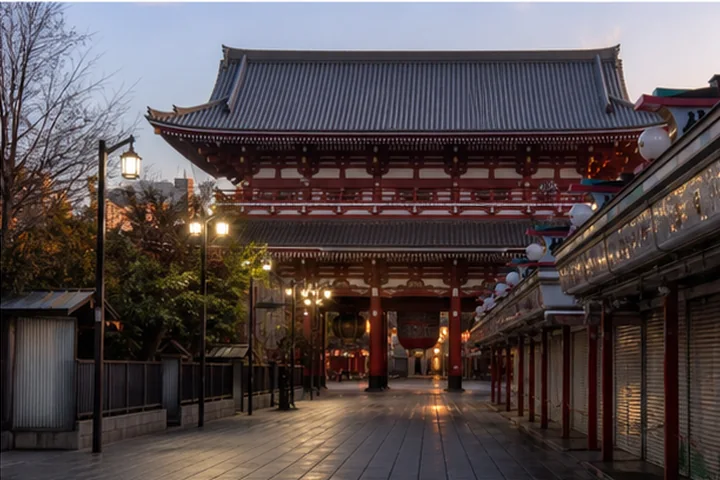
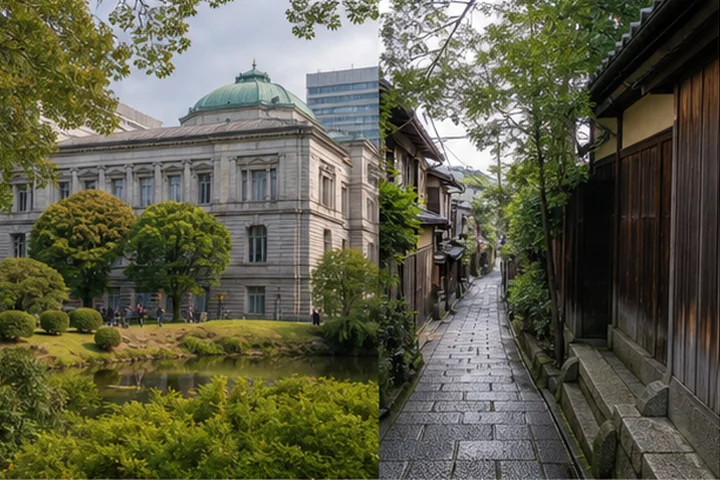

Start with Asakusa, then choose Ueno museums, Yanaka or the river rather than trying to cover every eastern district.
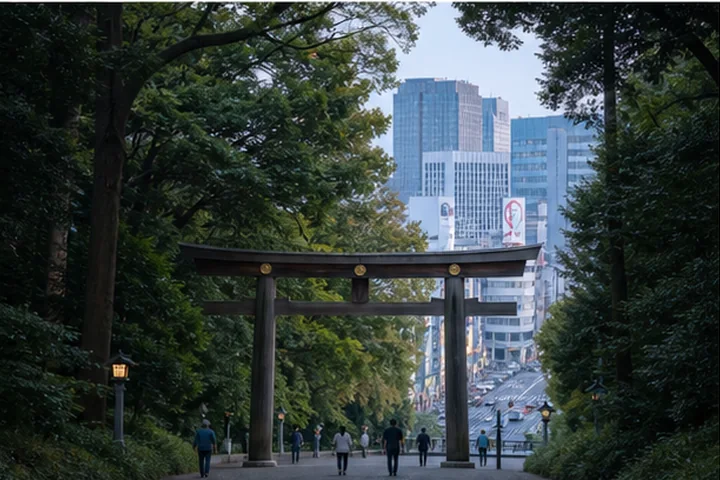
Connect Meiji Jingu, Harajuku, Omotesando and Shibuya at a pace that leaves room for food and evening views.
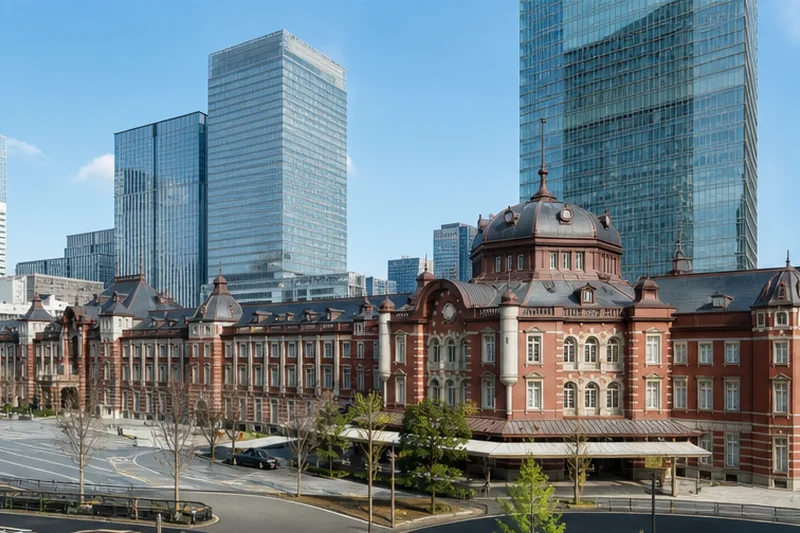
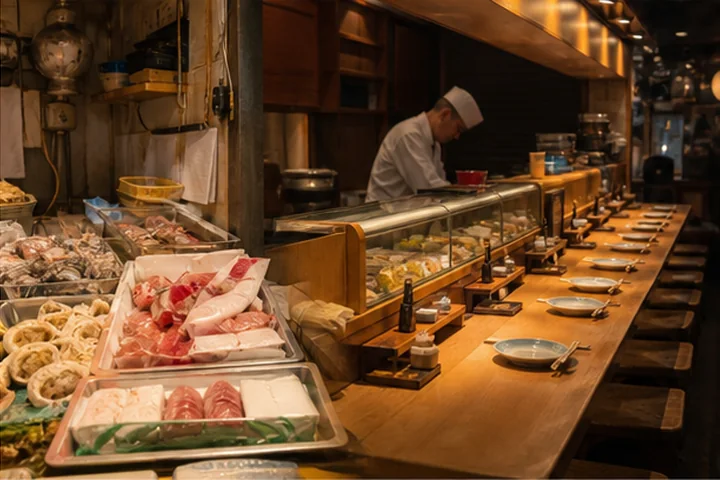
Use central Tokyo for gardens, shopping, Tsukiji or a museum, then add one priority such as Akihabara, teamLab or a neighbourhood night.
Follow the three-day framework without crossing the city repeatedly.
Explore Shinjuku, a garden or observation point, then choose one western neighbourhood for the evening.
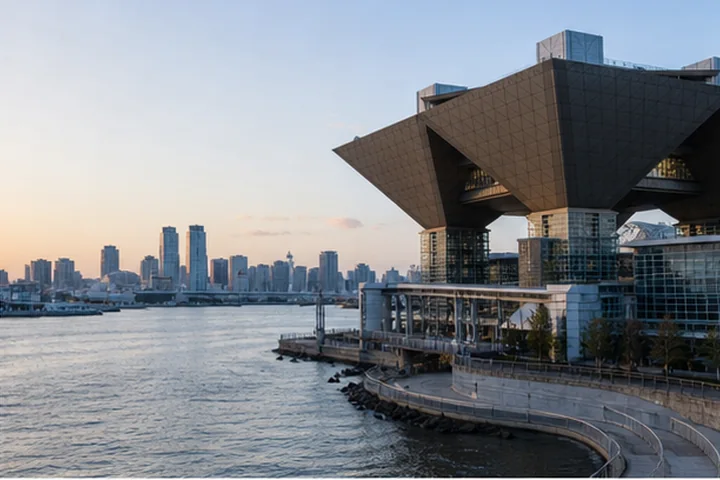
Choose Odaiba and Toyosu, an art-focused day, Kichijoji, Shimokitazawa or another interest-led cluster.
Use the five-day framework with more rest, food stops and weather flexibility.
Choose one full-day commitment such as Kamakura, Nikko, Hakone or Mt Takao, checking transport and seasonal conditions.
Return to a favourite area, shop, visit a missed museum or leave room for a long meal. This buffer protects the wider Japan itinerary.
Choose only one major day trip in a five-night stay unless it supports a wider Japan route.
Airports, transport and trip timing can change what counts as the best option.
Haneda is closer to central Tokyo; Narita is farther away in Chiba but serves extensive international traffic. Both have rail, bus and taxi options.
Compare arrival time, terminal, luggage and the direct route to your hotel district. A slightly higher airfare can produce a simpler first or final day.
Avoid choosing a transfer only by speed; station complexity and luggage handling matter too.
JR lines, Tokyo Metro, Toei Subway, private railways and buses form an extensive network. IC cards can simplify many local journeys, but some reserved or long-distance services need separate tickets.
Group nearby neighbourhoods and learn the station exit before each journey. Central visitors rarely need a rental car.
Haneda and Narita receive nonstop services from selected major US gateways plus many one-stop itineraries. Compare airport, landing hour, baggage and onward rail access; Japan connections need enough protected transfer time.
Nonstop and one-stop options connect the UK with Haneda or Narita. Compare total elapsed time, connection protection and airport-to-hotel arrival—not only the airfare or advertised departure time.
Flying Getaway and supplier-controlled charges for a Tokyo booking should be explained before payment.
A strong Tokyo plan connects arrival airport, hotel station, rail lines, timed experiences and the next city on the itinerary.
A Flying Getaway advisor can compare current flight and stay options, flag awkward connections and prepare a preferred plan for your review.
• Matching airport, neighbourhood and schedule
• Comparing practical flight and stay combinations
• Explaining fare, baggage and supplier conditions
• Proceeding only after your review and approval
Practical questions based on common planning decisions.
on
Entry rules, schedules and availability may change. Confirm current information before booking.
Tell us the trip – or the problem. A travel expert will help organise the next step.
Occasional destination inspiration, useful guides and clearly described offers. Get $50 OFF your first booking.
FLYING GETAWAY · TRAVEL SUPPORT
Talk to our travel team about flights and planning your visit.
Flying Getaway’s travel team is available 24/7.
We’ll use your number to respond to this request. Privacy policy
Basic services generally carry a USD $25 fee per service request. Any additional service charges are explained before we send your final quotation.
Any applicable airline charges are separate and will be included in the quotation before you confirm and pay.
Prefer to call? +1 (646) 814-6001