ROME, ITALY

Rome

Rome, planned around layers of history—not a race between landmarks.

Match the airport, hotel area and timed sites before you book. Explore practical Rome ideas, then request advisor-reviewed options.
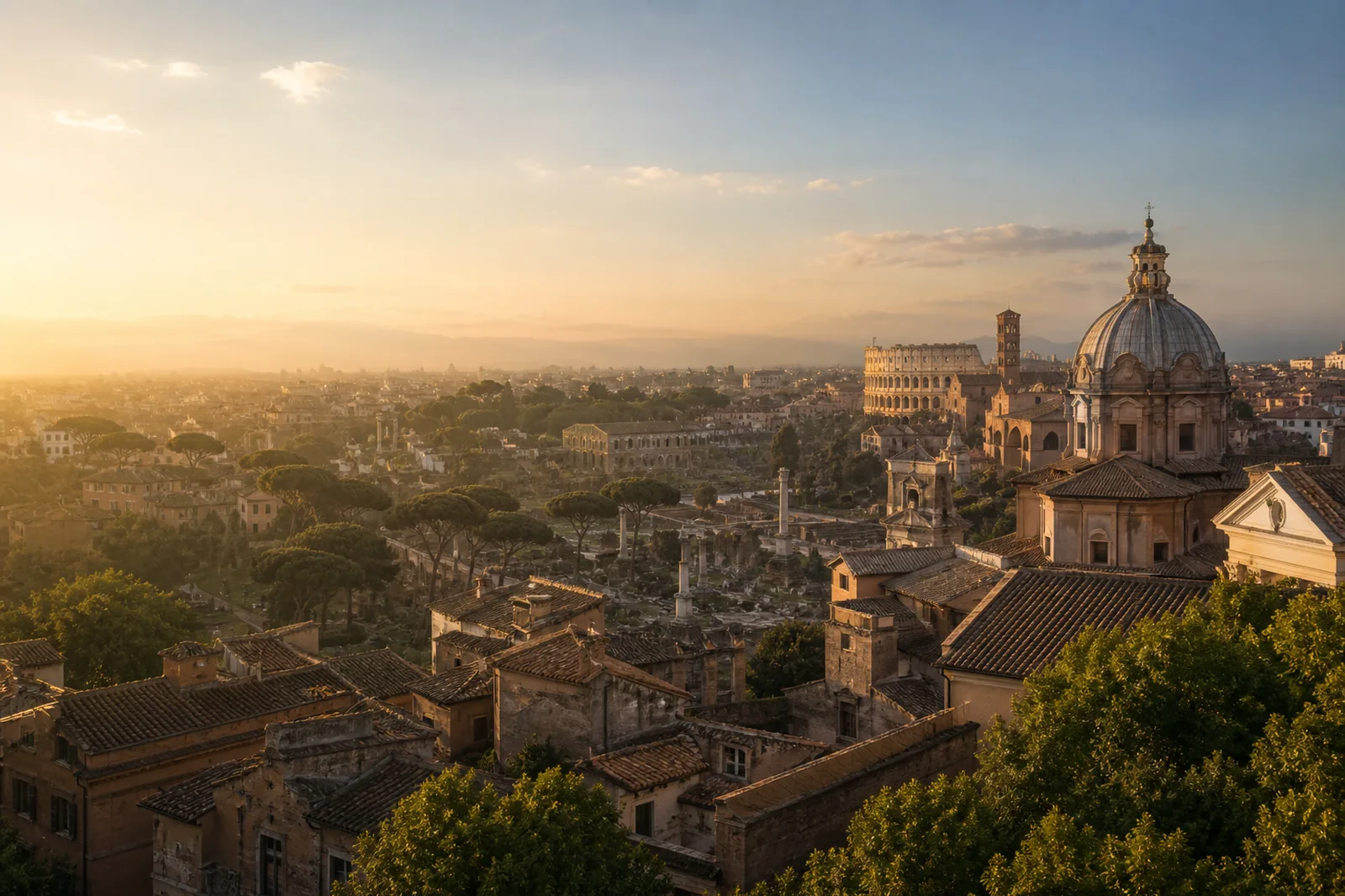
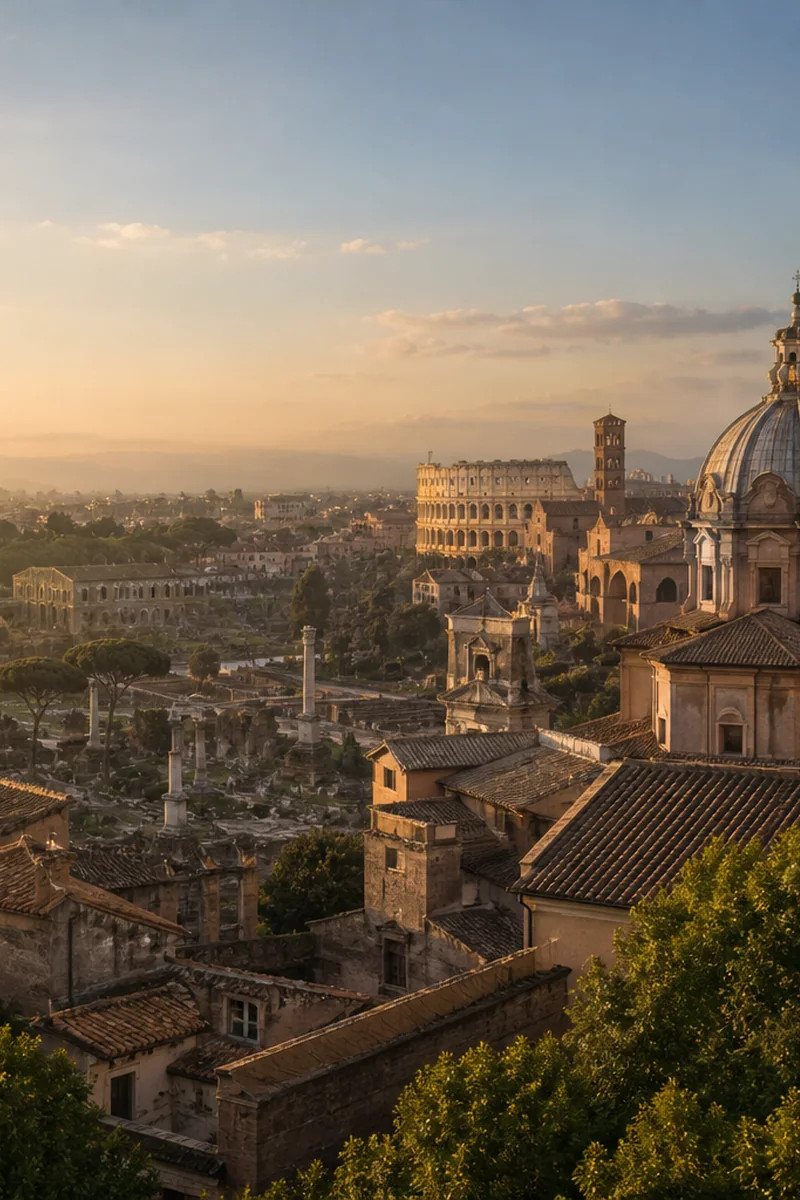
Rome skyline with terracotta rooftops and historic landmarks at golden hour
AT A GLANCE

Know the essentials before choosing the details.

A useful destination snapshot for a first planning pass.

Ideal stay
4–5 nights for a first visit; 7 nights for a slower pace or day trip
Best months
April–May and September–October for generally comfortable walking
Main airports
Rome Fiumicino / Leonardo da Vinci (FCO) and Rome Ciampino (CIA)
Currency
Euro (EUR / €)
Pace
Active
Relative cost
Premium
Languages
Italian; English is common in major visitor settings but not universal
Best for
Ancient history, art, food, couples, families, faith travel and walkable neighbourhood discovery

Why this destination works

Rome works best in walkable clusters. Build days around one archaeological or museum anchor, then use nearby piazzas, churches and food stops to keep the pace realistic.

Use this guide to compare the decisions that shape the trip. A Flying Getaway advisor can review current flight and stay combinations before you approve anything.
WHERE TO STAY

Choose the neighbourhood before choosing the hotel.

Choose a base around the places you will walk to most and the station or taxi access you need with luggage. Historic-centre addresses can differ sharply in noise, lift access and room size.
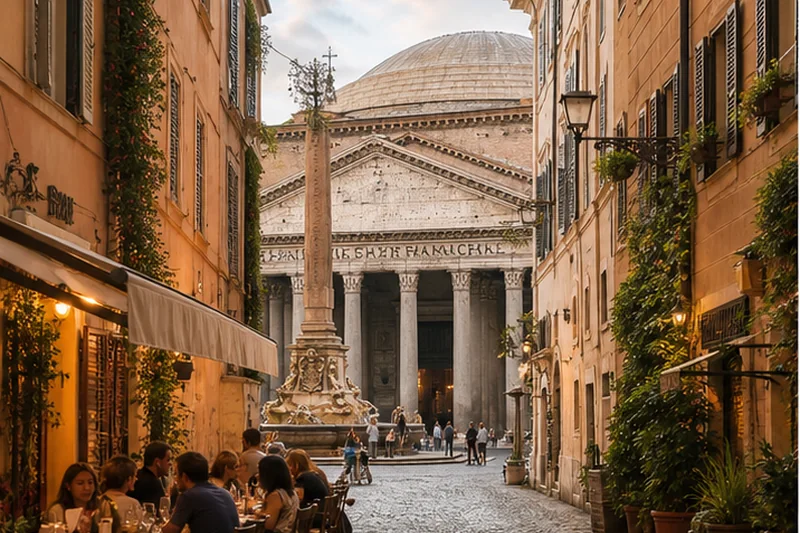
Atmospheric street in Rome’s Centro Storico
First visits, piazzas, dining and highly walkable evenings

Centro Storico

Stay near the Pantheon, Piazza Navona or Campo de’ Fiori for central walking and atmospheric evenings.
Rooms can be small and premium; traffic access, noise and lifts vary by building.
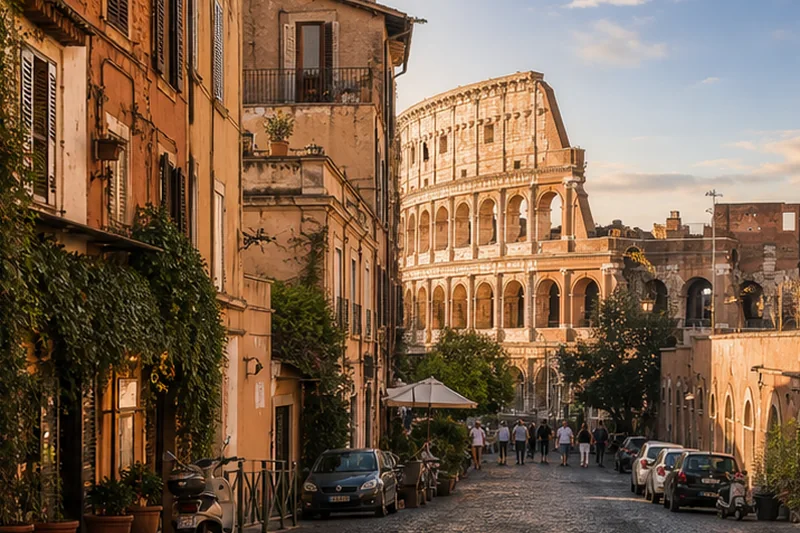
Cobbled Monti street with the Colosseum beyond
Ancient Rome, character, restaurants and short stays

Monti & the Colosseum

Base near the Colosseum, Forum and lively Monti streets with practical Metro access.
Some blocks are steep or noisy and the Vatican side is farther away.
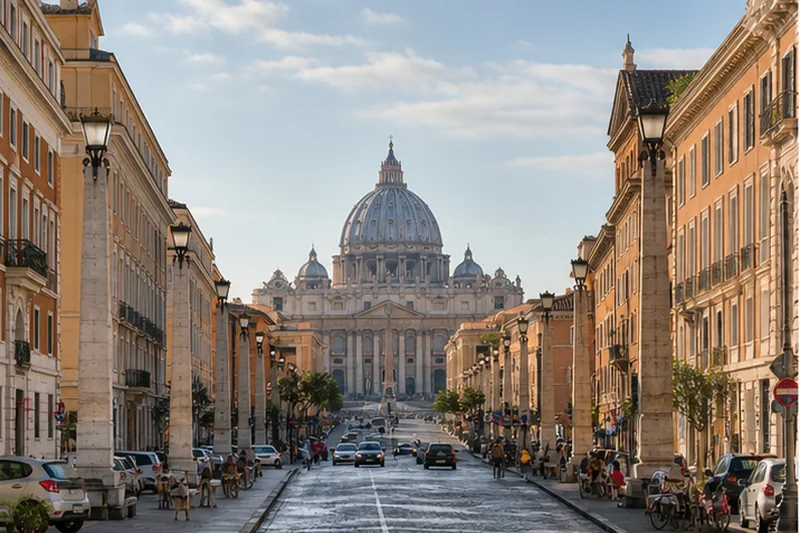
Elegant Prati street with St Peter’s dome in the distance
Vatican priorities, families and a calmer residential grid

Prati & the Vatican

Use a polished base near Vatican City, shopping and Metro links while keeping evenings quieter.
Ancient Rome and Trastevere require longer journeys; atmosphere varies by street.
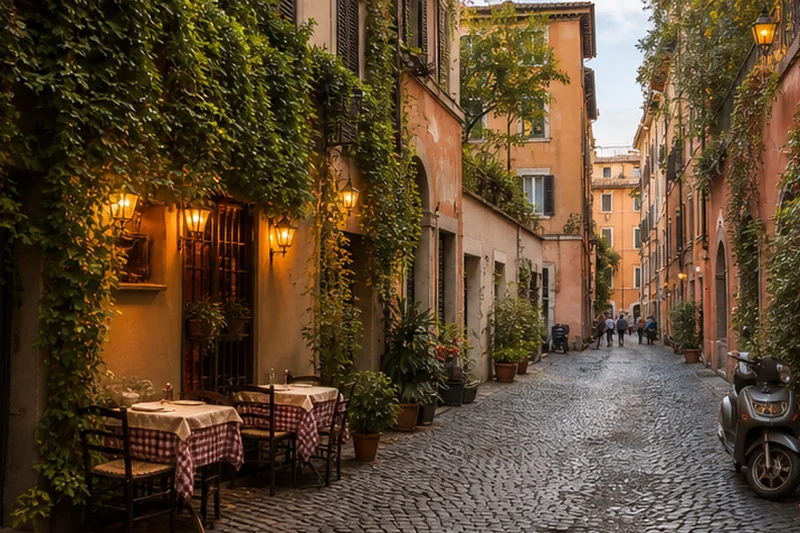
Ivy-lined street and warm evening atmosphere in Trastevere
Food, nightlife, local atmosphere and return visitors

Trastevere & Testaccio

Choose a neighbourhood-led stay for restaurants, markets and evenings beyond the landmark core.
Night noise, tram or bus reliance and uneven paving make exact location important.
SIGNATURE EXPERIENCES

Build days that make geographic sense.

Reserve a few major anchors, then let piazzas, churches, food and evening walks connect them. Avoid scheduling the Colosseum and Vatican Museums as if each were a quick stop.
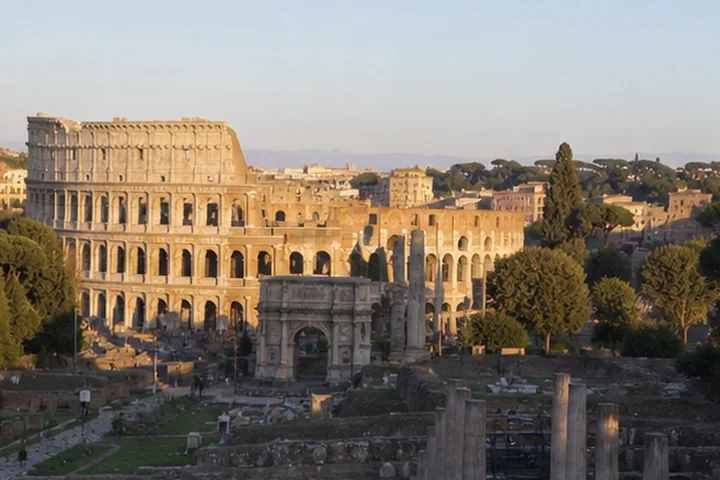
Colosseum and Roman Forum in warm morning light
Iconic

Colosseum, Forum and Palatine

Treat ancient Rome as one major anchor with time to understand the landscape rather than collecting entrances.
Use official ticketing and confirm the exact areas and time included.
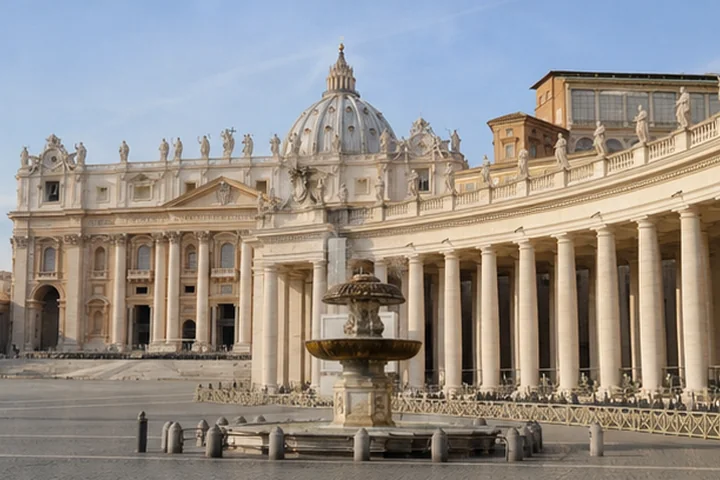
St Peter’s colonnade and Vatican architecture in Rome
Culture

Vatican Museums and St Peter’s

Plan Vatican City as a substantial visit with dress, security and walking requirements.
Check official tickets, closure days and separate access arrangements.
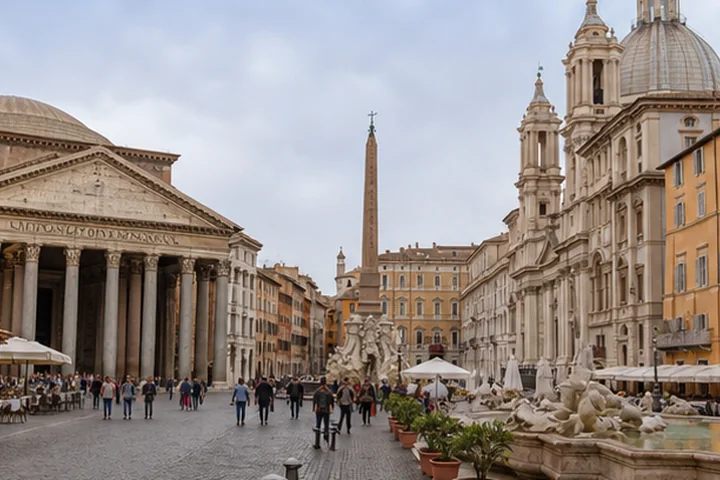
Historic-centre walking scene near the Pantheon in Rome
Iconic

Pantheon, Navona and Trevi

Connect central piazzas and churches on foot, returning early or late for a calmer atmosphere.
Verify paid entry, worship access and fountain-area restrictions.
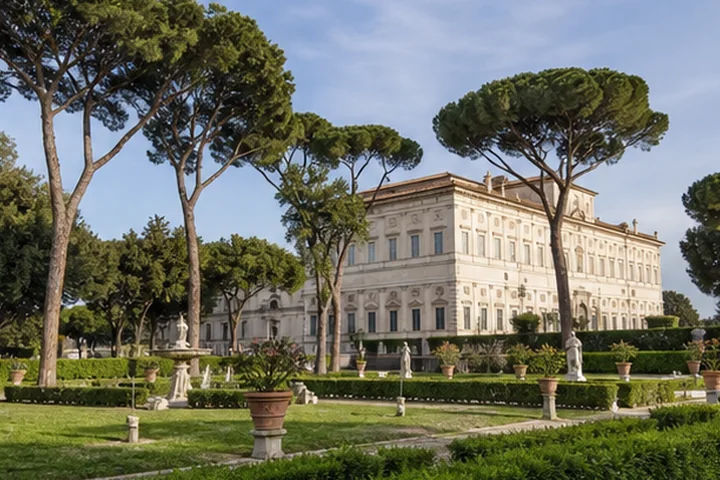
Borghese gallery exterior and gardens in Rome
Culture

Borghese Art and Park

Pair one reserved gallery visit with gardens, viewpoints and a slower northern-centre walk.
Reserve the gallery slot and check bag rules.
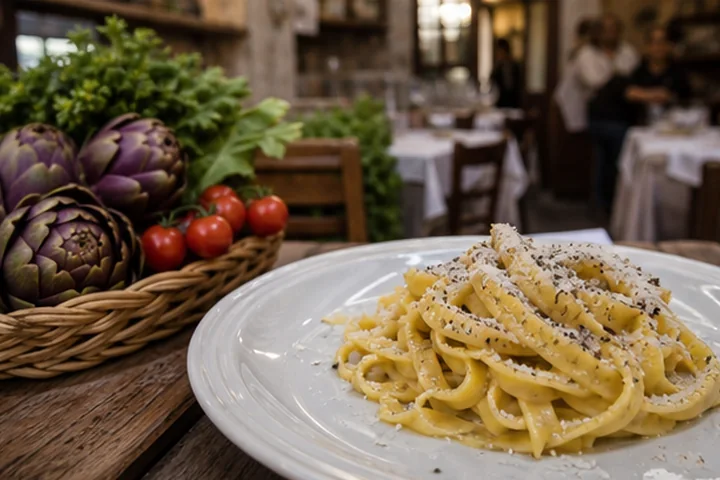
Fresh pasta and market ingredients in a Roman neighbourhood
Food

Roman Food by Quarter

Choose Testaccio, Trastevere, the historic centre or a market context for one focused food route.
Reserve destination restaurants and confirm dietary needs.
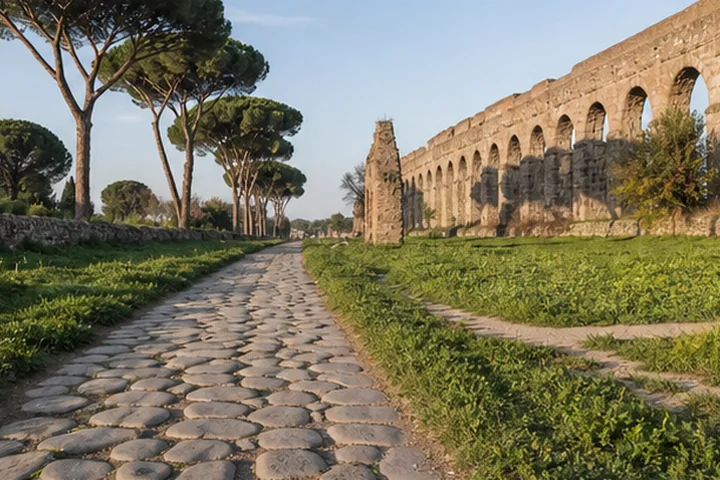
Ancient Appian Way and Roman aqueducts outside central Rome
Local experience

Appian Way and the Aqueducts

Use a slower archaeological day beyond the centre with carefully planned access and return transport.
Check weather, site openings, bike suitability and mobility.
ITINERARY FRAMEWORKS

Choose a pace, then adapt it to your dates.

Use these as flexible frameworks. Keep one major timed site per half day, group nearby areas and adjust for heat, worship, closures, mobility and your group’s energy.
3 days · Essential Itinerary

Day 1 — Colosseum and ancient Rome

Anchor the day with the Colosseum, Forum and Palatine area, then continue to Monti or a nearby viewpoint.

Day 2 — Vatican and the river

Use a timed Vatican experience or St Peter’s as the anchor, then choose Prati, Castel Sant’Angelo or a river walk.

Day 3 — Pantheon, piazzas and a personal priority

Connect the Pantheon, Piazza Navona and Trevi area, then add Borghese, Trastevere or a focused food route.

Days 1–3 — First-visit core

Follow the three-day framework without compressing the major sites.

Day 4 — Borghese and northern centre

Choose the gallery or park as the anchor, then continue through nearby streets and viewpoints.

Day 5 — Trastevere, Testaccio or Appian Way

Select one local or archaeological direction and keep the day geographically coherent.

Days 1–5 — Rome foundation

Use the five-day framework with longer lunches, rest and weather flexibility.

Day 6 — Tivoli or Ostia Antica

Choose one full-day archaeological or villa excursion and confirm transport and opening times.

Day 7 — Buffer and favourite quarter

Revisit a neighbourhood, add a missed church or museum, or leave space before the next Italy sector.

  • Tivoli: villas and gardens with a full-day plan.
  • Ostia Antica: archaeology closer to Rome and exposed to weather.
  • Orvieto: hill town and cathedral by rail plus local transfer.
  • Naples or Pompeii: possible but long; better when part of a wider Italy route.
  • Castelli Romani: towns, food and countryside with varied transport.

For a four-night stay, another Rome neighbourhood is often a better use of time.

ADVISOR PLANNING

Want this adapted to your dates?

Share your departure city, dates, travellers, room needs, budget and highest-priority Rome experiences. Add any Italy route, baggage, mobility, dietary or schedule requirements. We will prepare current options for review; submitting a request does not create a booking.
PRACTICAL PLANNING

Remove the common sources of friction before booking.

Airports, transport and trip timing can change what counts as the best option.

AIRPORTS

Compare the complete arrival journey.

FCO is Rome’s main international gateway with rail, bus, taxi and transfer options. CIA mainly serves selected European and lower-cost flights.

Compare arrival hour, luggage and the route to your neighbourhood. The lower fare may not be the better choice after transfer time and cost.

  • FCO: compare express or regional rail, official taxi, bus and private transfer for the hotel area.
  • CIA: buses, combinations with rail or Metro, taxis and transfers vary by destination.
  • Late arrival: verify the final public transport and hotel reception.

Use official taxi arrangements and confirm fixed-fare eligibility or meter rules before travel.

AROUND THE CITY

Plan movement as part of each day.

Walking, Metro, buses, trams and urban rail cover different parts of Rome. The historic centre is best explored in clusters, while public transport connects wider areas.

Validate or activate the correct ticket, check service notices and allow extra time. A central visitor rarely benefits from a rental car.

Cobbles, hills, historic buildings and uneven station access can create friction. Rome and ATAC publish accessibility information, but confirm step-free routes, hotel lifts, room access and attraction assistance before booking.
TIMING

Best time and seasonal trade-offs

Spring and autumn balance outdoor archaeology with city walks but can still be busy. Summer requires early starts and shade; winter favours museums and quieter streets. Major Vatican or city events can change crowd and access patterns.
FROM THE US

Access from major US gateways

FCO receives nonstop services from selected major US gateways plus many European connections. Compare arrival hour, baggage, connection protection and transfer to the hotel—not only the advertised fare.

FROM THE UK

Access from major UK gateways

Rome has nonstop service from London and selected regional UK airports plus connections. Compare FCO and CIA, baggage, departure airport and the city transfer before choosing.

CONNECTIVITY

SIM and connectivity guidance

Check EU roaming terms or compare a SIM/eSIM. Download airline, hotel, map and official transport apps, save offline tickets and addresses, and keep a backup payment method for machines or smaller merchants.
LOCAL KNOW-HOW

Local etiquette

Dress appropriately for churches, keep voices low in worship areas and follow photography rules. Do not sit on or enter restricted monuments or fountains. Validate transport tickets where required and use marked pedestrian routes around traffic.
AVOID FRICTION

Common planning mistakes

  • Booking by landmark name without checking the exact street, lift and transport.
  • Scheduling the Colosseum and Vatican Museums too close together.
  • Ignoring heat, cobbles and walking distance.
  • Buying attraction tickets from unclear resellers.
  • Leaving too little connection time for a separate rail or flight booking.
BOOK IN ORDER

Recommended booking sequence

  1. Confirm passport, visa or arrival-document requirements.
  2. Fix dates, traveller and room needs, budget and non-negotiables.
  3. Compare flights, baggage and the complete airport-to-hotel journey.
  4. Choose the neighbourhood, room and cancellation terms.
  5. Reserve priority timed experiences after the core trip is confirmed.
  6. Recheck Rome entry rules, schedules, transport notices and documents.
FARE CLARITY

Fare and baggage considerations

  • Check cabin and checked baggage, seats and meals.
  • Compare change, cancellation, refund and no-show rules.
  • Confirm Fiumicino or Ciampino and include the transfer to the hotel.
  • For connections, verify whether one ticket protects the complete journey.
  • Compare the final payable total—not the first displayed fare.

Flying Getaway and supplier-controlled charges for a Rome booking should be explained before payment.

BEFORE YOU BOOK

Check entry information for your passport and itinerary.

Entry rules depend on nationality, passport, residence, purpose and length of stay. Use Italy’s official visa information and current Schengen guidance before booking and again before departure.
HOW FLYING GETAWAY HELPS

A useful guide becomes a plan you can actually book.

A strong Rome plan connects arrival airport, hotel lift and location, timed sites, daily walking and the next Italy sector.

A Flying Getaway advisor can compare current flight and stay options, flag inconvenient combinations and prepare a preferred plan for your review.

Your advisor can help with

• Matching airport, neighbourhood and schedule
• Comparing practical flight and stay combinations
• Explaining fare, baggage and supplier conditions
• Proceeding only after your review and approval

PLAN WITH CONTEXT

Ready to shape this destination around your trip?

Share your departure city, dates, travellers, room needs, budget and highest-priority Rome experiences. Add any Italy route, baggage, mobility, dietary or schedule requirements. We will prepare current options for review; submitting a request does not create a booking.
DESTINATION FAQS

Clear answers before you travel.

Practical questions based on common planning decisions.

How many days do I need in Rome?

Four to five nights gives most first-time visitors room for ancient Rome, Vatican priorities, the historic centre and one slower district. Three days suits highlights; seven days creates space for a day trip and recovery.

What is the best time to visit Rome?

April–May and September–October are useful for walking but still popular. Summer can be very hot and crowded; winter is cooler and often quieter. Check religious events, school holidays and heat forecasts.

Should I fly into FCO or CIA?

FCO is the main international airport with extensive transport; CIA serves selected European and lower-cost routes. Compare schedule, baggage, hotel transfer and arrival hour before deciding.

Where should a first-time visitor stay in Rome?

Centro Storico suits central walking; Monti suits ancient Rome; Prati suits Vatican plans; Trastevere suits food and evenings. Check the exact street, lift, noise and luggage route—not only the district name.

Do I need a transport pass in Rome?

It depends on hotel location and planned journeys. Many central days are walk-heavy, while Metro, bus and tram help with wider areas. Compare current ATAC tickets and validate or activate them correctly.

Do I need a visa to visit Rome?

It depends on nationality, passport, residence, purpose and stay length. Use Italy’s official visa portal and current Schengen guidance before booking and departure.
Last Reviewed by:
Dean Williams

on

28/08/2026

Entry rules, schedules and availability may change. Confirm current information before booking.

YOUR NEXT TRIP STARTS HERE

Ready to make the trip easier?

Tell us the trip – or the problem. A travel expert will help organise the next step.

Travel ideas in your inbox

Occasional destination inspiration, useful guides and clearly described offers. Get $50 OFF your first booking.

Days :
Hours :
Minutes :
Seconds

— BEFORE YOU BOOK YOUR FLIGHT —

Save Up to 40%
on Flight Deals

Call Flying Getaway now to compare domestic and
international fares before prices change.