SEOUL, SOUTH KOREA

Seoul

Seoul, planned between palaces, neighbourhoods and late-night energy.

Choose the right side of the river, airport route and daily clusters before you book. Build a Seoul trip with room for food, design and culture.
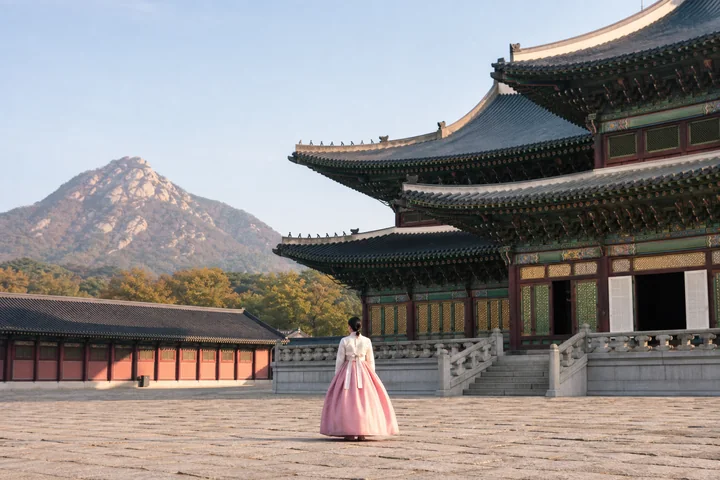
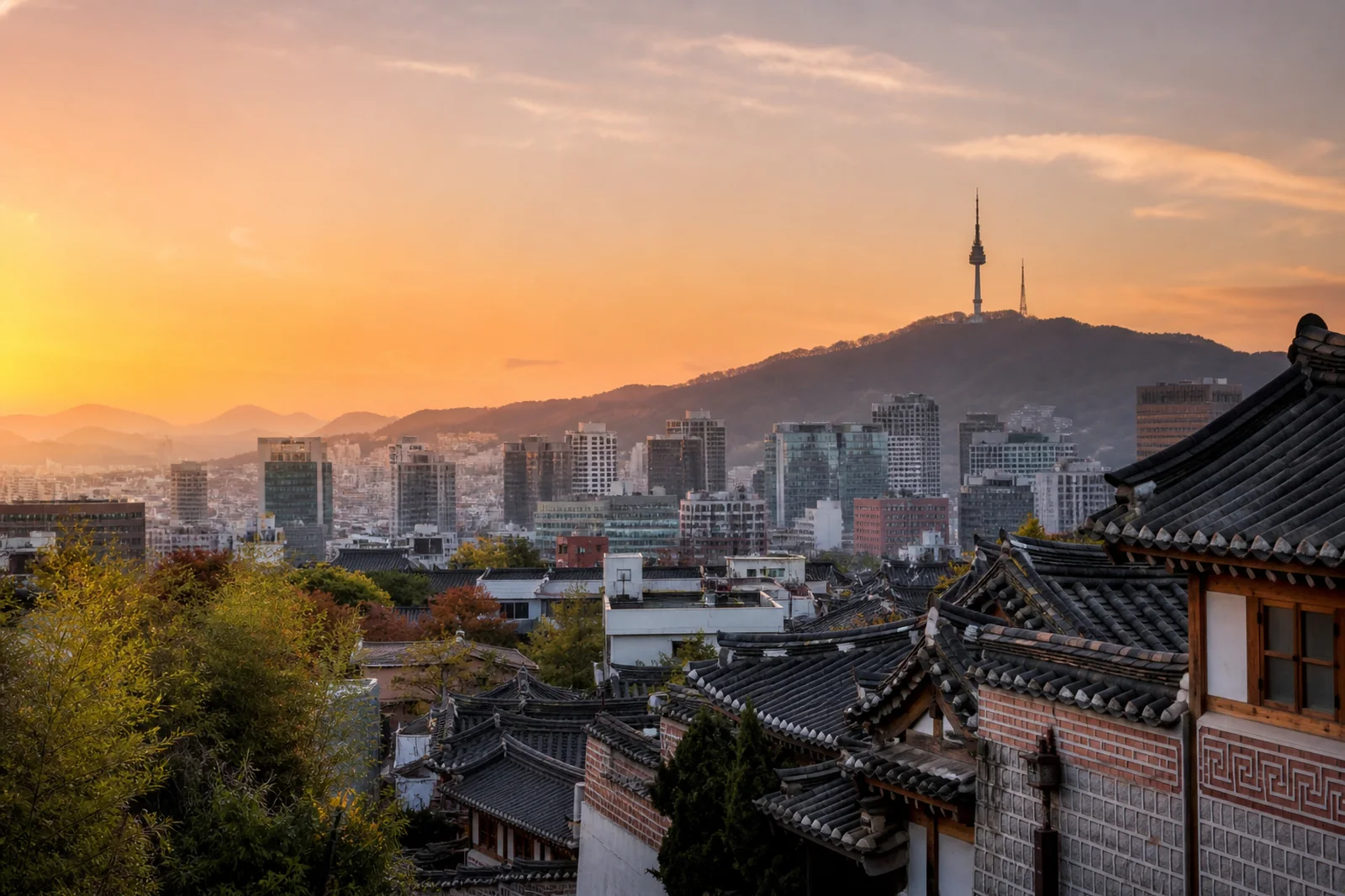
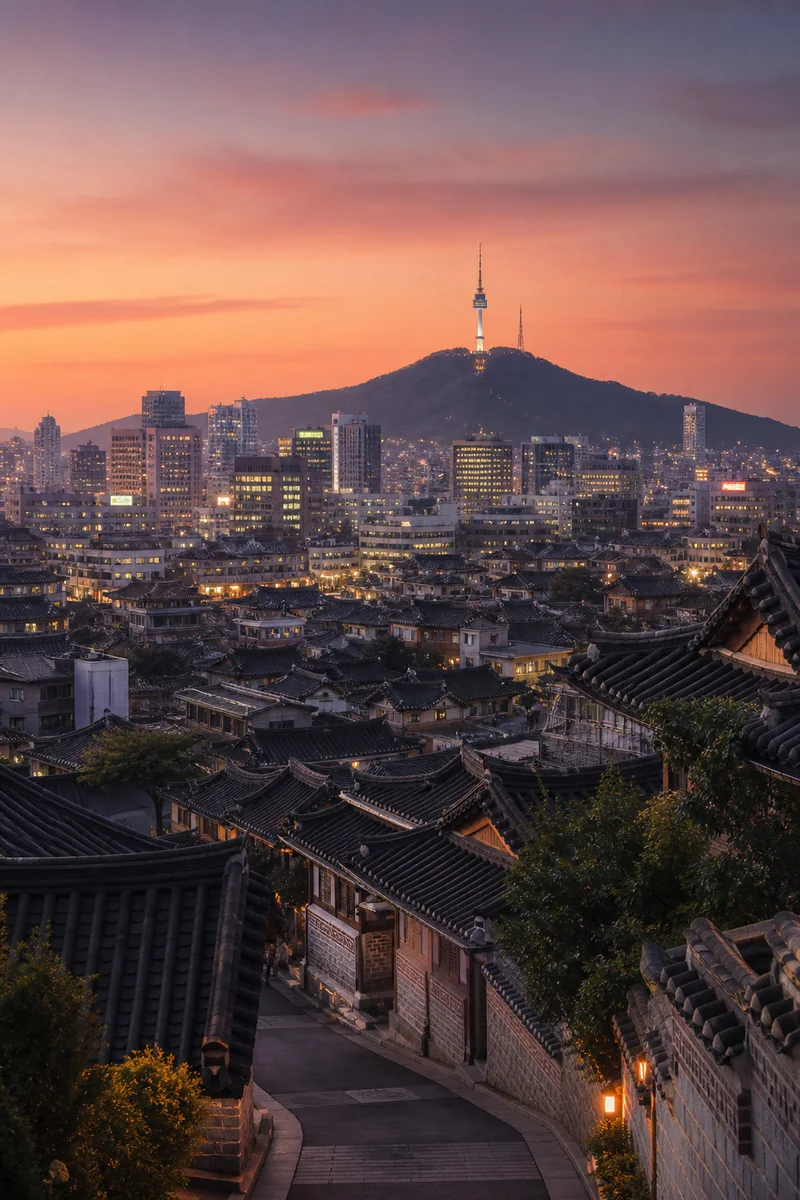
Seoul skyline with traditional palace roof and modern towers at sunset
AT A GLANCE

Know the essentials before choosing the details.

A useful destination snapshot for a first planning pass.

Ideal stay
5–7 nights for a first visit; 8–10 nights with day trips or another Korean city
Best months
April–May and September–October for generally comfortable weather and seasonal colour
Main airports
Incheon International Airport (ICN); Gimpo International Airport (GMP) handles many domestic and selected regional flights
Currency
South Korean won (KRW / ₩)
Pace
Active
Relative cost
Moderate
Languages
Korean; English support varies by setting, with multilingual visitor information available
Best for
Food, design, shopping, history, music, couples, families and solo travel

Why this destination works

Seoul combines a vast transport network with distinct neighbourhoods, palaces, markets and contemporary districts. A strong plan groups experiences around subway corridors and protects time for jet lag.

Use this guide to make the important choices first. When your dates are ready, a Flying Getaway advisor can compare current combinations for your review.
WHERE TO STAY

Choose the neighbourhood before choosing the hotel.

Choose the base around the subway lines and evening atmosphere you will use most. Crossing Seoul repeatedly can consume more time than the map suggests.
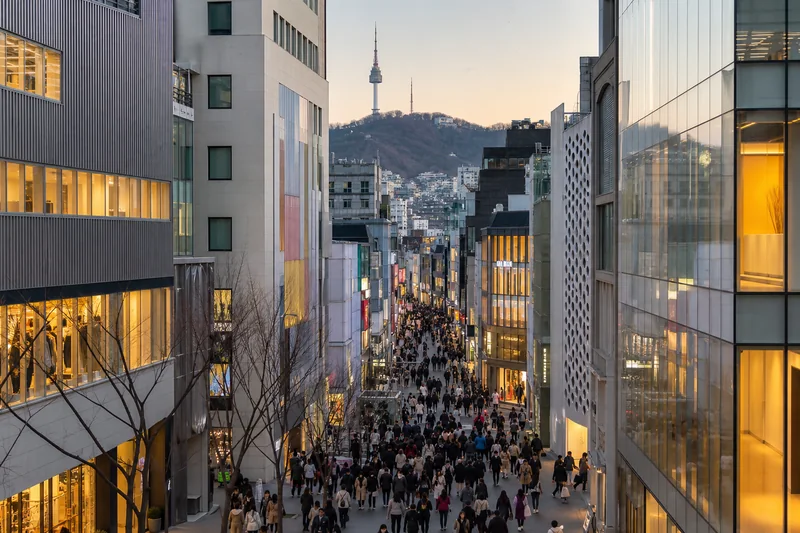
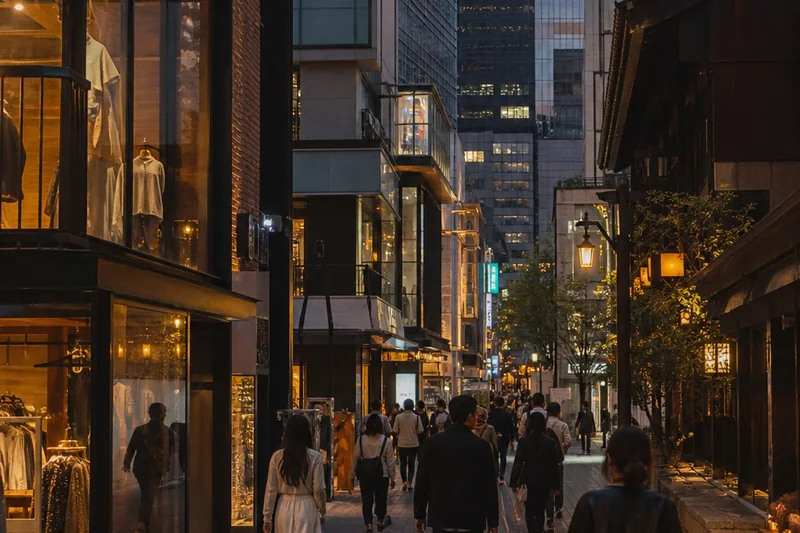
Myeongdong & Jung-gu neighbourhood atmosphere in Seoul
First visits, shopping, central transport and evening food

Myeongdong & Jung-gu

Stay centrally for access to palaces, markets and multiple subway lines.
Busy commercial streets and room sizes vary.
Hongdae & Mapo neighbourhood atmosphere in Seoul
Music, cafés, nightlife, younger travellers and airport rail

Hongdae & Mapo

Choose western Seoul for creative energy and useful ICN access.
Late-night noise and cross-city trips to Gangnam take time.
Insadong & Jongno neighbourhood atmosphere in Seoul
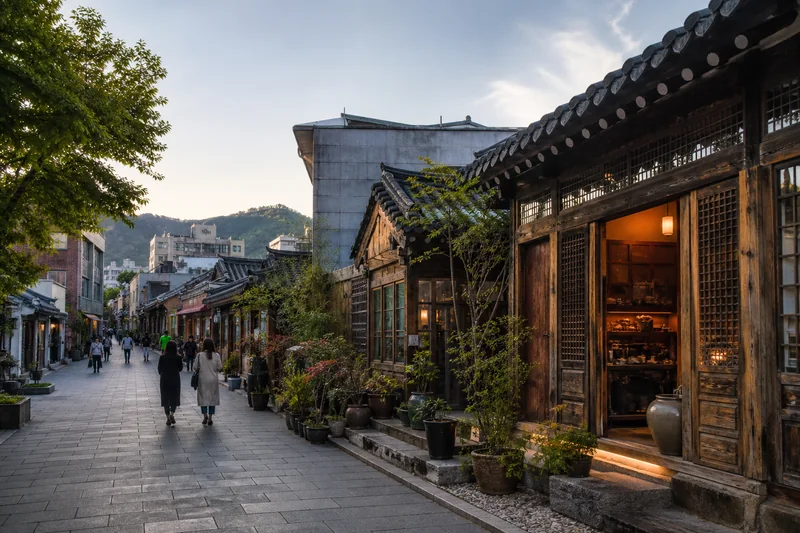
History, palaces, crafts and traditional atmosphere

Insadong & Jongno

Base near major heritage areas and walkable cultural streets.
Evenings can be quieter and older buildings may have limited access.
Gangnam & Jamsil neighbourhood atmosphere in Seoul
Modern Seoul, shopping, events and upscale stays

Gangnam & Jamsil

Stay south of the river for contemporary districts and major venues.
Historic-centre days require longer subway journeys.
SIGNATURE EXPERIENCES

Build days that make geographic sense.

Pair one historical or cultural anchor with one nearby contemporary district. Leave room for markets, cafés and evening streets rather than scheduling every hour.
Gyeongbokgung Palace experience in Seoul
Culture

Gyeongbokgung Palace

Use one palace as a focused introduction to royal Seoul and its setting.
Check official closure, ceremony and admission information.
Bukchon and Insadong experience in Seoul
Culture

Bukchon and Insadong

Connect traditional architecture, crafts and tea while respecting residents.
Follow quiet-zone and photography guidance.
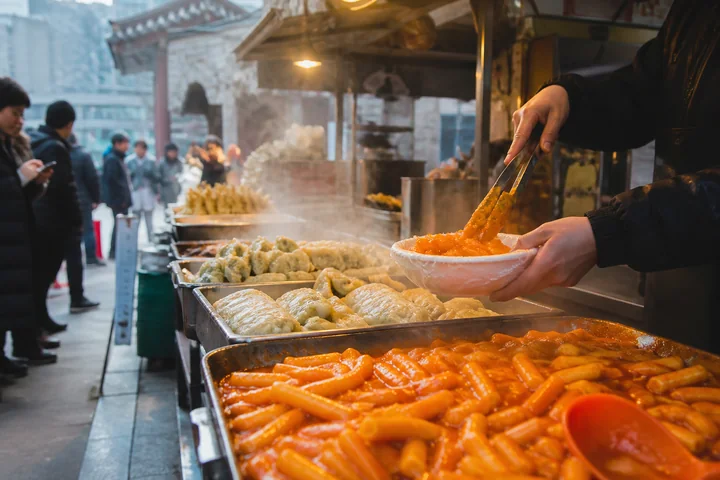
Seoul Market Food Route experience in Seoul
Food

Seoul Market Food Route

Choose one market and sample selectively with dietary context.
Confirm ingredients, payment and reputable guidance.
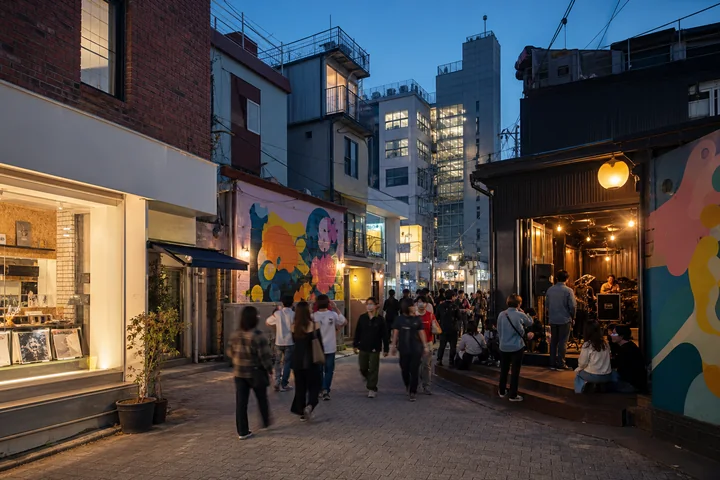
Hongdae Music and Design experience in Seoul
Local experience

Hongdae Music and Design

Explore creative streets, independent shops and live culture in one evening.
Use authorised tickets for performances.
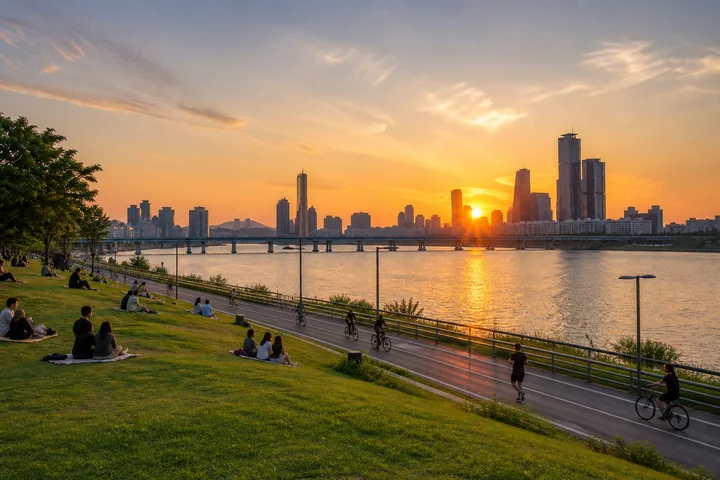
Han River and Modern Seoul experience in Seoul
Local experience

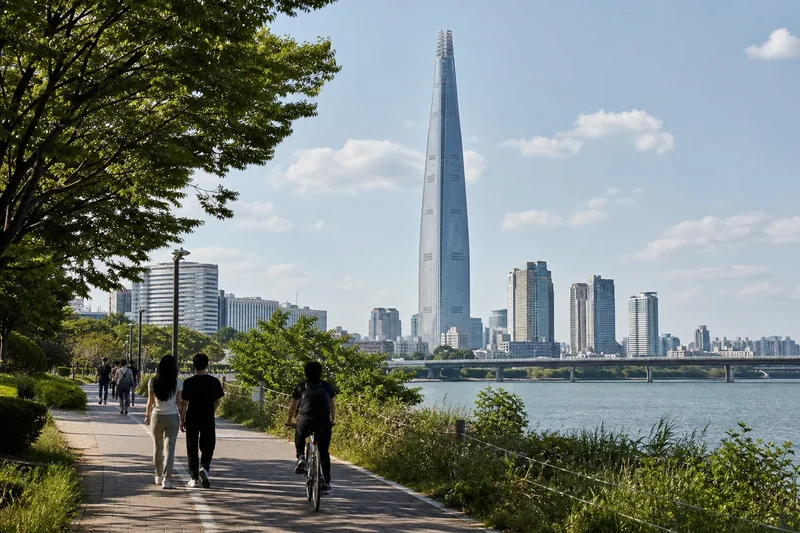
Han River and Modern Seoul

Pair a riverside park with a nearby design, shopping or skyline district.
Check weather and seasonal facility operation.
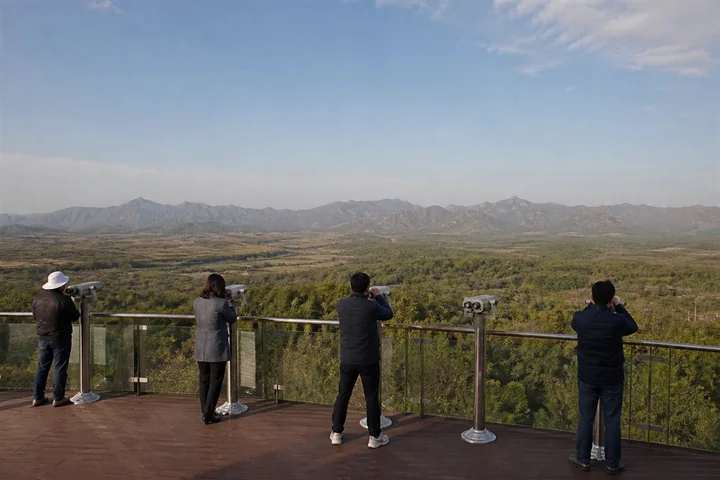
DMZ Context Day experience in Seoul
Day trip

DMZ Context Day

Visit with historical context through an authorised itinerary.
Access can change; verify passport and operator conditions.
ITINERARY FRAMEWORKS

Choose a pace, then adapt it to your dates.

Use geographic clusters, protect the first day from jet lag and adapt for seasonal weather, closures, concert dates and mobility.
3 days · Essential Itinerary

Day 1 — Gyeongbokgung and Bukchon

Start with palace history, then continue through nearby traditional streets and Insadong.

Day 2 — Myeongdong and central Seoul

Combine a central market, design or museum stop with an evening food route.

Day 3 — Hongdae and western districts

Explore youth culture, cafés, music and selected galleries without rushing elsewhere.

Day 1 — Gyeongbokgung and Bukchon

Start with palace history, then continue through nearby traditional streets and Insadong.

Day 2 — Myeongdong and central Seoul

Combine a central market, design or museum stop with an evening food route.

Day 3 — Hongdae and western districts

Explore youth culture, cafés, music and selected galleries without rushing elsewhere.

Day 4 — Gangnam and the Han River

Use a full day for modern Seoul, design, shopping and a river park.

Day 5 — Markets and neighbourhood food

Choose one market and surrounding district for a slower culinary day.

Day 1 — Gyeongbokgung and Bukchon

Start with palace history, then continue through nearby traditional streets and Insadong.

Day 2 — Myeongdong and central Seoul

Combine a central market, design or museum stop with an evening food route.

Day 3 — Hongdae and western districts

Explore youth culture, cafés, music and selected galleries without rushing elsewhere.

Day 4 — Gangnam and the Han River

Use a full day for modern Seoul, design, shopping and a river park.

Day 5 — Markets and neighbourhood food

Choose one market and surrounding district for a slower culinary day.

Day 6 — DMZ, Suwon or another full-day choice

Select one extension with an authorised operator or confirmed transport.

Day 7 — Flexible Seoul day

Return to a favourite district, add a museum or protect a weather buffer.

  • DMZ: use an authorised operator and verify passport, access and cancellation conditions.
  • Suwon: fortress heritage with rail access and substantial walking.
  • Incheon: Chinatown, port history and contemporary districts.
  • Nami Island or Garden of Morning Calm: seasonal and transport-dependent.
  • Jeonju: a longer rail day often better as an overnight extension.
ADVISOR PLANNING

Want this adapted to your dates?

Share your departure city, dates, travellers, room needs, budget and highest-priority Seoul experiences. Add any baggage, mobility, dietary, celebration, transfer or schedule requirements. We will prepare current options for your review; submitting a request does not create a booking.
PRACTICAL PLANNING

Remove the common sources of friction before booking.

Airports, transport and trip timing can change what counts as the best option.

AIRPORTS

Compare the complete arrival journey.

ICN is the main international gateway west of Seoul. Airport rail, limousine buses, taxis and pre-arranged transfers suit different hotel areas, arrival times and luggage needs.

Compare the complete arrival journey—terminal, time, luggage, hotel location and transfer conditions—not only the flight.

  • AREX rail serves Seoul Station with express and all-stop options.
  • Airport limousine buses can be useful for hotels near designated stops.
  • Authorised taxi or transfer may suit late arrivals, several bags or reduced mobility.
AROUND THE CITY

Plan movement as part of each day.

Subway, buses, taxis and walking cover the city. Use a compatible transport card, follow platform guidance and group days by nearby lines. Last-train times matter for late evenings.

The subway has extensive lifts and guidance, but transfers can be long and older streets or venues may have steps. Confirm hotel access, station exits, attraction routes and mobility support.
TIMING

Best time and seasonal trade-offs

Spring and autumn are popular but exact bloom and foliage timing is not guaranteed. Summer needs rain and heat flexibility; winter rewards indoor culture and clear days with cold-weather preparation.
FROM THE US

Access from major US gateways

Nonstop service operates from several major US gateways, with connections from others. Compare arrival time, baggage and how the first day handles the time difference.

FROM THE UK

Access from major UK gateways

Nonstop and connecting options operate from London and other gateways. Compare elapsed time, baggage and the ICN-to-hotel journey.

CONNECTIVITY

SIM and connectivity guidance

Check roaming, an authorised eSIM/SIM or airport options. Download official tourism, subway, translation and map tools; some global map services have limited local routing detail.
LOCAL KNOW-HOW

Local etiquette

Queue in marked lines, keep calls quiet on public transport and follow palace, temple and photography rules. Use both hands when appropriate for formal exchanges and separate waste as instructed.
AVOID FRICTION

Common planning mistakes

  • Choosing a hotel without checking the exact subway line and exit.
  • Booking the first full day too tightly after a long-haul arrival.
  • Assuming every map app offers equally accurate local routing.
  • Scheduling palaces on closure days.
  • Buying concert or tour products from unverified sellers.
BOOK IN ORDER

Recommended booking sequence

  1. Confirm passport, visa or arrival-document requirements.
  2. Fix dates, traveller and room needs, budget and non-negotiables.
  3. Compare flights, baggage and the complete airport-to-hotel journey.
  4. Choose the area, room and cancellation terms.
  5. Reserve priority timed experiences after the core trip is confirmed.
  6. Recheck Seoul entry rules, schedules, transport notices and documents.
FARE CLARITY

Fare and baggage considerations

  • Check cabin and checked baggage, seats and meals.
  • Compare change, cancellation, refund and no-show rules.
  • Confirm ICN or GMP, arrival time and the complete route to the hotel.
  • For connections, verify whether one ticket protects the complete journey and whether baggage is checked through.
  • Compare the final payable total—not the first displayed fare.

Flying Getaway and supplier-controlled charges for a Seoul booking should be explained before payment.

BEFORE YOU BOOK

Check entry information for your passport and itinerary.

Entry requirements depend on nationality, passport, residence, purpose and length of stay. Visa-free travellers may face electronic travel-authorisation rules or temporary exemptions that change. Verify the official Korean visa portal and immigration guidance.
HOW FLYING GETAWAY HELPS

A useful guide becomes a plan you can actually book.

A useful Seoul plan connects ICN, the hotel subway lines, jet lag, seasonal weather and no more than one or two adjacent districts per day.

A Flying Getaway advisor can compare current flight and stay options, flag inconvenient combinations and prepare choices for your review and approval.

Your advisor can help with

• Matching airport, neighbourhood and schedule
• Comparing practical flight and stay combinations
• Explaining fare, baggage and supplier conditions
• Proceeding only after your review and approval

PLAN WITH CONTEXT

Ready to shape this destination around your trip?

Share your departure city, dates, travellers, room needs, budget and highest-priority Seoul experiences. Add any baggage, mobility, dietary, celebration, transfer or schedule requirements. We will prepare current options for your review; submitting a request does not create a booking.
DESTINATION FAQS

Clear answers before you travel.

Practical questions based on common planning decisions.

How many days do I need in Seoul?

Five to seven nights gives a first-time visitor room for heritage, food and modern districts. Add time for day trips or another Korean city.

Where should a first-time visitor stay in Seoul?

Myeongdong is central, Hongdae helps with airport access and nightlife, Jongno suits heritage, and Gangnam suits modern districts and events.

How do I get from Incheon airport to Seoul?

AREX rail, airport buses, authorised taxis and transfers operate. Choose around hotel location, arrival time, luggage and mobility.

What is the best time to visit Seoul?

Spring and autumn are popular for milder weather, but bloom and foliage dates vary. Summer is humid and rainy; winter is cold.

What transport or map apps should I use?

Use current official tourism and subway guidance plus locally reliable mapping and translation tools. Download them before arrival.

Do I need a visa or K-ETA for Seoul?

Rules depend on nationality and can change. Verify the official Korean visa and immigration sources for your exact passport and dates.
Last Reviewed by:
Dean Williams

on

31/08/2026

Entry rules, schedules and availability may change. Confirm current information before booking.

YOUR NEXT TRIP STARTS HERE

Ready to make the trip easier?

Tell us the trip – or the problem. A travel expert will help organise the next step.

Travel ideas in your inbox

Occasional destination inspiration, useful guides and clearly described offers. Get $50 OFF your first booking.